
Roman Henin
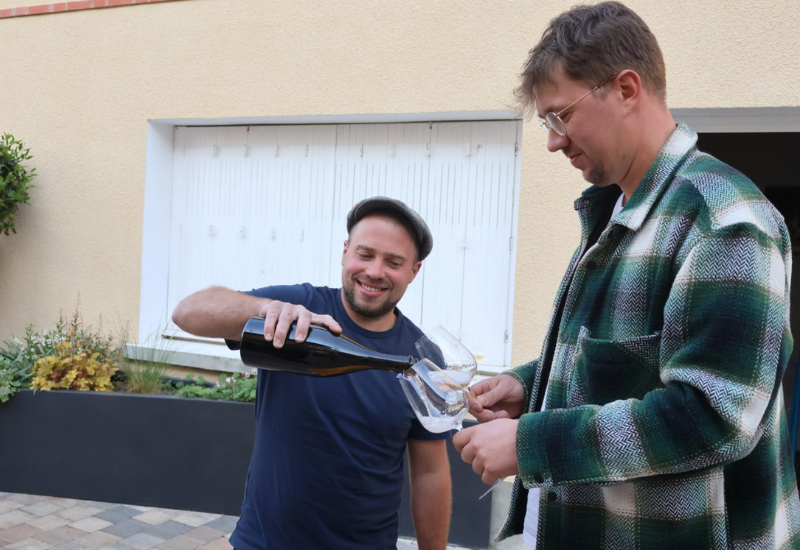
In the grand cru village of Aÿ, surrounded by the deep chalk and centuries of Champagne tradition, Romain Hénin is quietly reshaping what grower Champagne can be. After years of working alongside his father and learning the craft from the ground up, Romain took full charge of the family domaine and began steering it in a bold new direction — one guided by nature, precision, and patience.
His approach is thoughtful yet fearless. Romain farms organically and biodynamically, vinifies each parcel separately, and relies on spontaneous fermentations. There’s no heavy hand in the cellar — no corrections, no shortcuts — just an honest expression of terroir through Pinot Noir, Chardonnay, and Meunier.
Ferme de la sansonniere
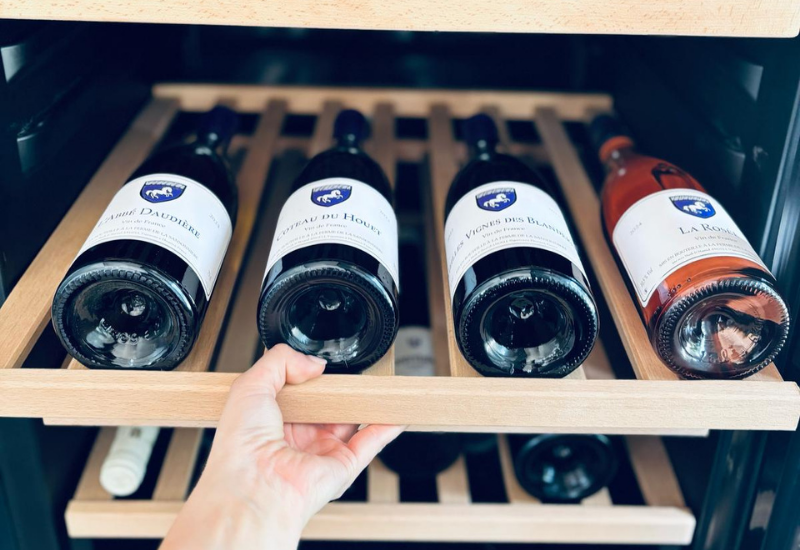
Martial Angeli represents the next chapter of one of Anjou’s most quietly influential estates: Ferme de la Sansonnière. The domaine was shaped by his father, Mark Angeli, a true pioneer who committed to organic and biodynamic farming long before it became a movement, setting a benchmark for Chenin Blanc rooted in energy, balance, and place. Martial grew up inside this philosophy — not as an inheritance to reinvent, but as something to understand deeply and carry forward with intention.
La Rogerie
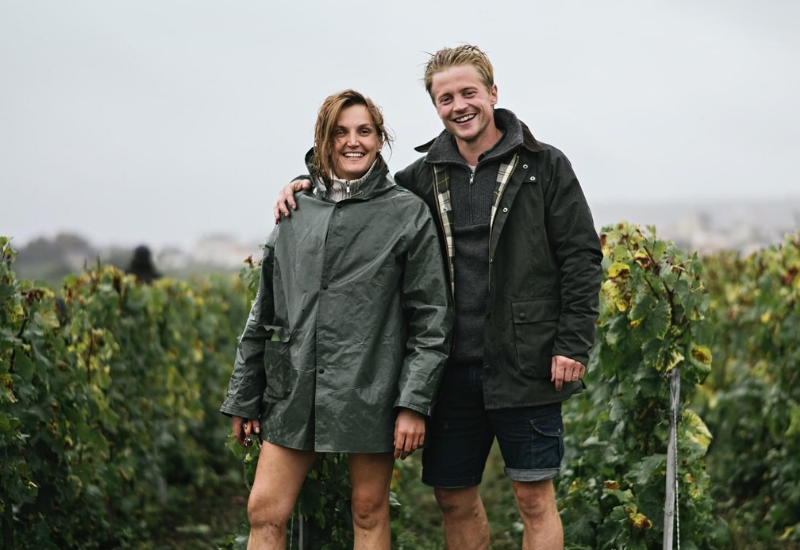
La Rogerie is a small, family-run estate that beautifully bridges two worlds: Champagne and Alsace. Founded by Justine Boxler and François Petit, it’s a project that feels as much about heritage as it is about vision — two regions, one mindset, and a very clear obsession with purity.
Their farming is guided by respect for nature: no herbicides, no pesticides, just living soils, healthy vines, and the patience to let place do the talking. In Champagne, their heart is in the Côte des Blancs, with old parcels in Avize, Oger, and Cramant that naturally push their wines toward that chalky, saline precision. The Blanc de Blancs are exactly what I crave: tension, length, mineral drive — but never cold or clinical. There’s always a quiet generosity under the structure.
Jérémy Carteret
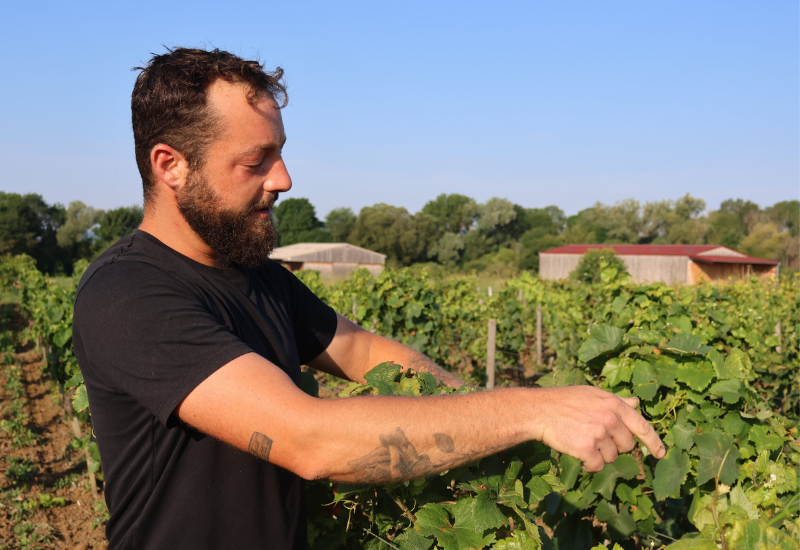
Jérémy Carteret, a passionate winemaker from Burgundy, expertly blends tradition and innovation. Inspired by his father’s long career at Domaine du Comte Armand and his own experience at Domaine Benjamin Leroux, Jérémy is dedicated to producing wines of exceptional quality.
In 2023, she took the leap and created her own wine with a fresh perspective: fruit-forward, vibrant, and instantly charming, but still anchored in tradition and uncompromising quality. The first vintage was an ultra-limited debut—just 400 bottles—a small, personal statement.
Bürklin Wolf
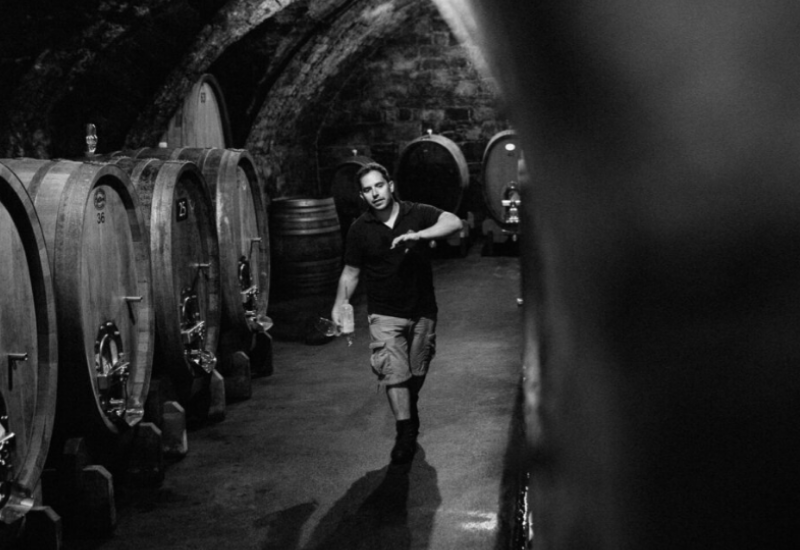
Weingut Bürklin-Wolf, located in the renowned wine region of Pfalz, stands as one of Germany’s most prestigious estates, celebrated for its commitment to producing world-class Riesling. Under the stewardship of Nicola Libelli, the winery continues its long tradition of excellence while embracing biodynamic farming practices to enhance the authenticity and purity of its wines. Bürklin-Wolf’s vineyards span some of the most sought-after terroirs in the region, including the famous top sites of Wachenheim, Forst, and Deidesheim.
Winery Seckinger
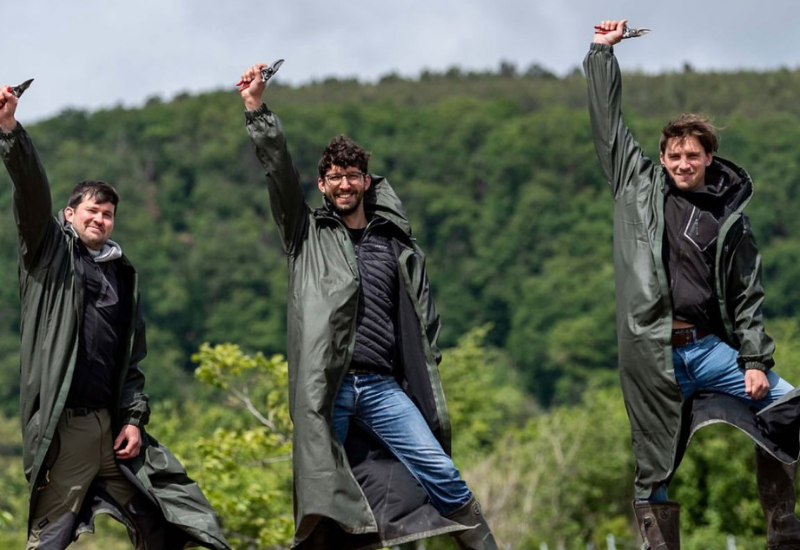
The Seckinger Winery, nestled in Niederkirchen in the Pfalz region, is led by the three brothers Jonas, Philipp, and Lukas Seckinger. Representing the new wave of German winemaking, these young talents are defined by their deep connection to nature and a minimalist approach. Their goal is to authentically capture the essence of their vineyards, using biodynamic methods and minimizing interventions in the winemaking process.
The Seckinger brothers cultivate vineyards across the Mittelhaardt and the southern Pfalz, working with diverse soils such as red sandstone, limestone marl, and loess. Their wines stand out for their precision, structure, and purity, often displaying a striking mineral backbone reminiscent of great Burgundian and Jura wines. Fermentations occur spontaneously, extractions are careful and measured, and the wines are bottled unfiltered with minimal sulfur, resulting in a raw yet refined drinking experience.
Domaine Jean Javillier & Fils
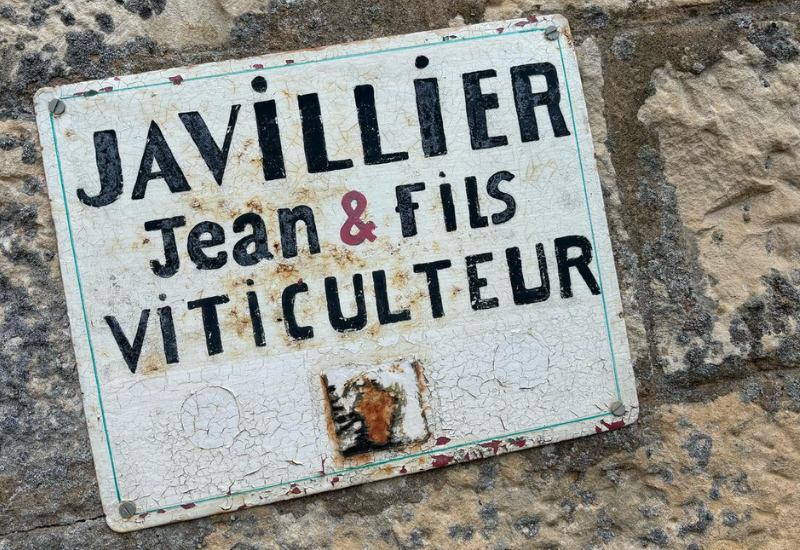
Every now and then, I come across a winery that makes me wonder how on earth it has managed to stay under the radar. Domaine Jean Javillier & Fils is exactly that—a hidden gem in Meursault that, despite its exceptional wines, remains largely unknown simply because it was barely distributed in France. Guess what?! So far only 5% of the bottles go to the french market.
This small, family-run estate sits right across from the legendary Coche-Dury.
Founded in 1933, it has been passed down through generations, now managed by Alain Javillier and his brother Thierry.
They craft their wines the way it was done 50 years ago—timeless and true to tradition. The Pinots are elegant and refined, free from excessive extraction and heavy oak. And Meursault? It’s the way it used to be—bold, generous, and full of character.
Drink wines not lables
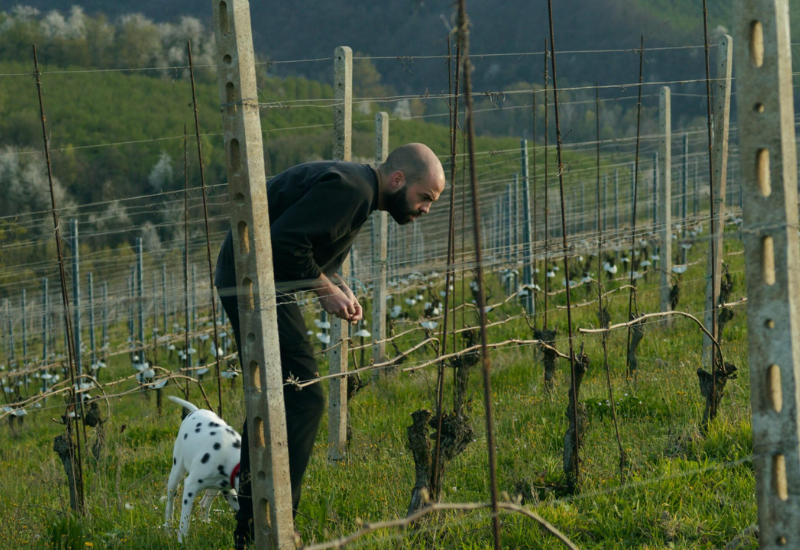
There’s something electric happening in the hills just beyond Barolo — and at the center of it is Alessandro Salvano, the mind behind DWNL – Drink Wines Not Labels.
Raised in a family of growers, Alessandro could have easily followed the traditional path. But instead, he chose rebellion over routine. In 2019, he launched DWNL as a declaration of independence — a movement for those who believe that authenticity matters more than appellations.
His vineyards sit just outside the official Barolo zone, on the same limestone-rich slopes and under the same sun — yet his wines will never carry that name. And that’s exactly the point. With DWNL, Alessandro challenges the system, asking: What defines greatness — the land itself, or the lines drawn around it?
Winery Rings
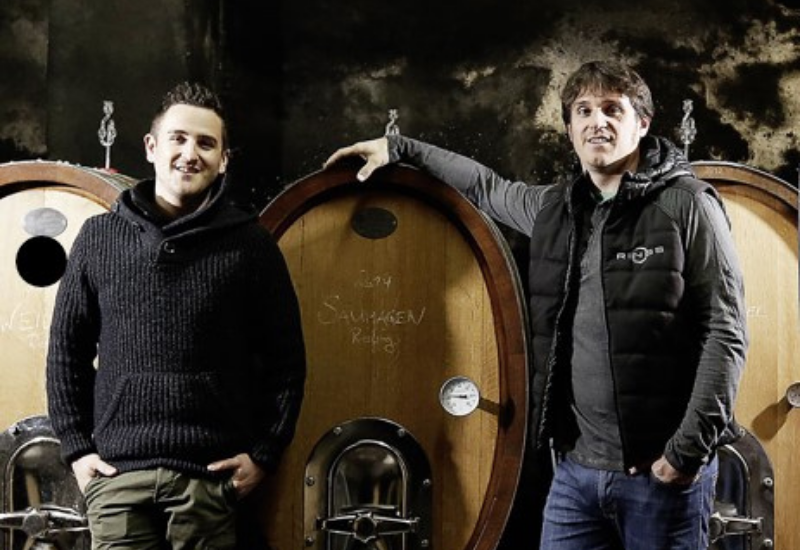
Weingut Rings is one of the driving forces behind the new generation of German wine — the kind of estate that helped redefine what “modern Germany” can taste like without losing its roots. Run by brothers Andreas and Steffen Rings in Freinsheim (Pfalz), Rings combines serious ambition with an almost stubborn focus on detail. Nothing here feels accidental. Everything is built, layer by layer, in the vineyard first — and you can taste that discipline in every bottle.
Their philosophy is grounded in organic farming, meticulous work by hand, and a deep obsession with letting their sites speak clearly. They’re not chasing power for the sake of power — they’re chasing definition: healthy soils, lower yields, perfectly timed picking, and the patience to let wines find their balance rather than forcing it. That’s why the wines feel so alive: you get purity and energy, but also structure and length — the kind of architecture that makes you want to open a second bottle and cellar the first.
Winery Kissinger–Bähr
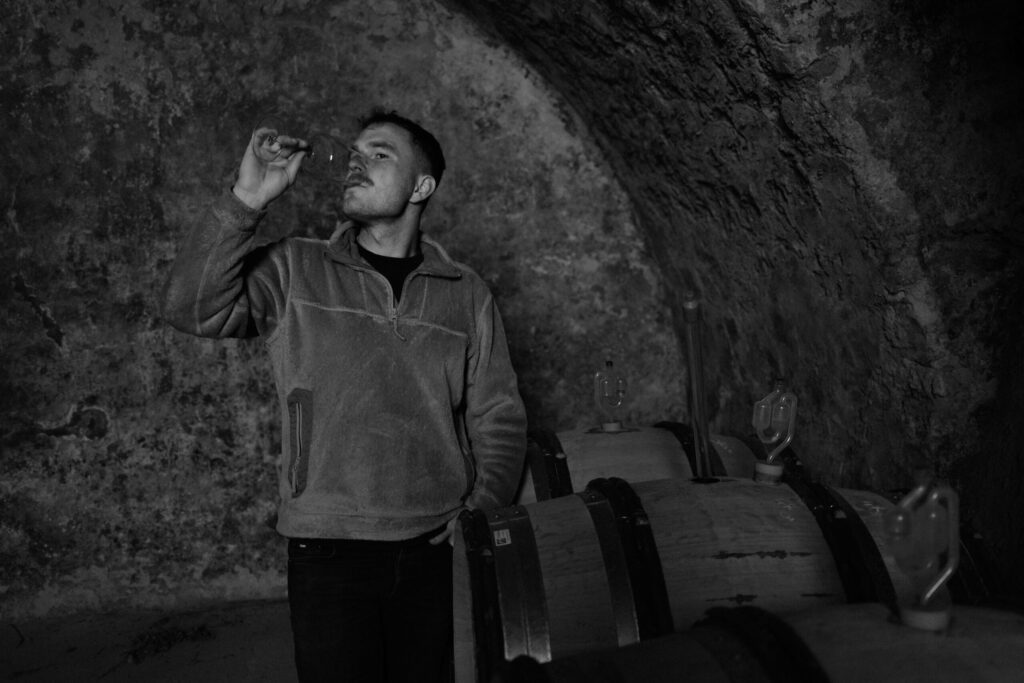
WINEMAKER Winery Kissinger–Bähr Established in 2016 in Uelversheim, Rhenish Hesse In Uelversheim, Rheinhessen, Moritz Kissinger has quietly become one of the clearest references for what the new German Chardonnay era can look like: less about volume, more about precision. His mindset is rooted in biodynamic farming and a low-intervention cellar approach, with a relentless focus […]