
Les Jardins Vivants & Maison Glandien
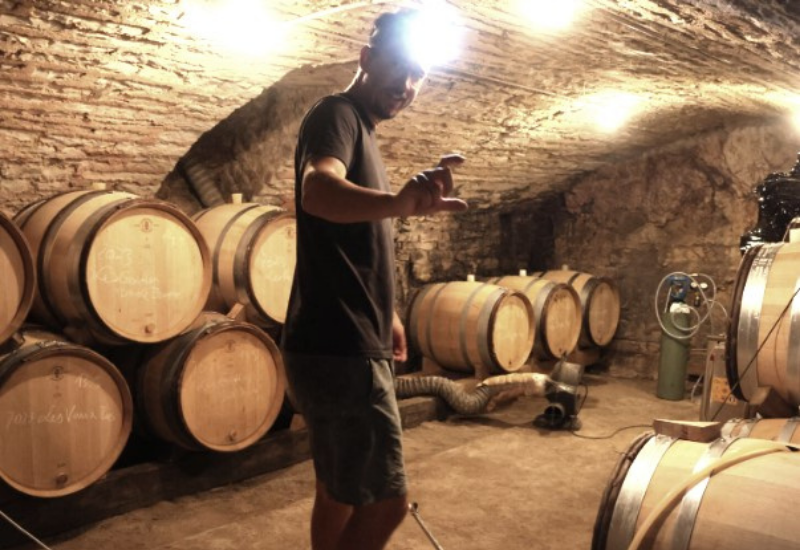
With his own label Maison Glandien and the deeply personal project Les Jardins Vivants, Tino Kuban has become one of the most exciting young names in Burgundy. Based in Meursault, he works across three lines: Maison Glandien as a négociant project sourcing organic grapes from trusted growers across Burgundy, Jura, Beaujolais and Alsace — and Les Jardins Vivants, his most personal work, made from meticulously hand-tended vines and aged in new Stockinger barrels for depth, tension and longevity.
Roman Henin
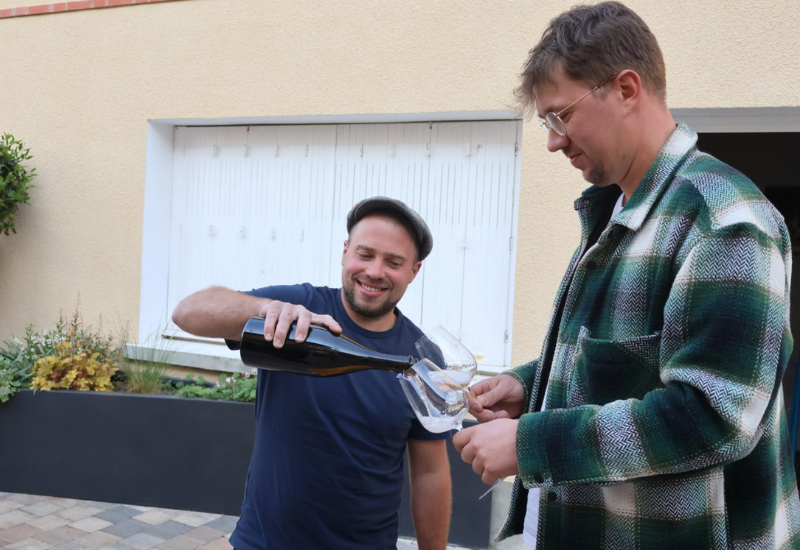
In the grand cru village of Aÿ, surrounded by the deep chalk and centuries of Champagne tradition, Romain Hénin is quietly reshaping what grower Champagne can be. After years of working alongside his father and learning the craft from the ground up, Romain took full charge of the family domaine and began steering it in a bold new direction — one guided by nature, precision, and patience.
His approach is thoughtful yet fearless. Romain farms organically and biodynamically, vinifies each parcel separately, and relies on spontaneous fermentations. There’s no heavy hand in the cellar — no corrections, no shortcuts — just an honest expression of terroir through Pinot Noir, Chardonnay, and Meunier.
Ferme de la sansonniere
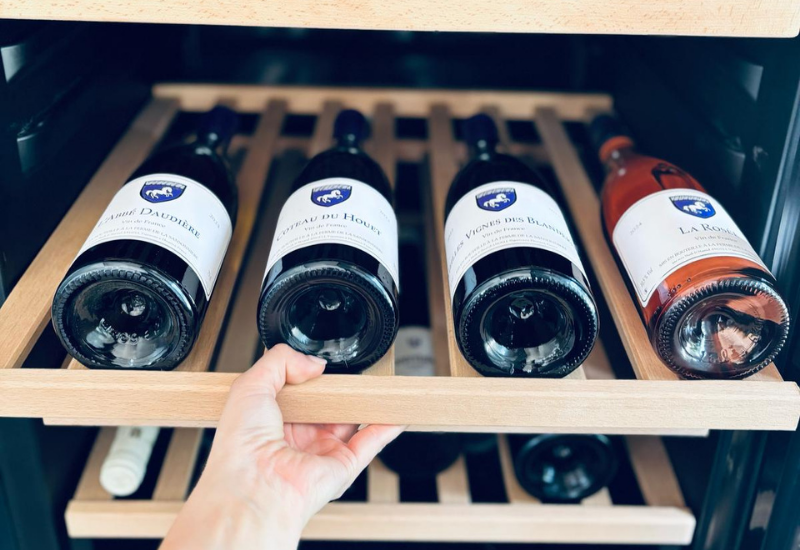
Martial Angeli represents the next chapter of one of Anjou’s most quietly influential estates: Ferme de la Sansonnière. The domaine was shaped by his father, Mark Angeli, a true pioneer who committed to organic and biodynamic farming long before it became a movement, setting a benchmark for Chenin Blanc rooted in energy, balance, and place. Martial grew up inside this philosophy — not as an inheritance to reinvent, but as something to understand deeply and carry forward with intention.
La Rogerie
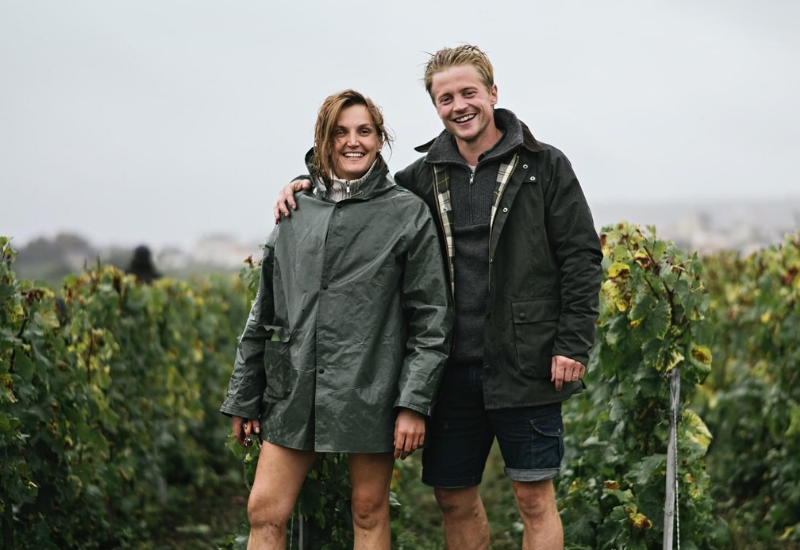
La Rogerie is a small, family-run estate that beautifully bridges two worlds: Champagne and Alsace. Founded by Justine Boxler and François Petit, it’s a project that feels as much about heritage as it is about vision — two regions, one mindset, and a very clear obsession with purity.
Their farming is guided by respect for nature: no herbicides, no pesticides, just living soils, healthy vines, and the patience to let place do the talking. In Champagne, their heart is in the Côte des Blancs, with old parcels in Avize, Oger, and Cramant that naturally push their wines toward that chalky, saline precision. The Blanc de Blancs are exactly what I crave: tension, length, mineral drive — but never cold or clinical. There’s always a quiet generosity under the structure.
Alizée & Thibault Tassin
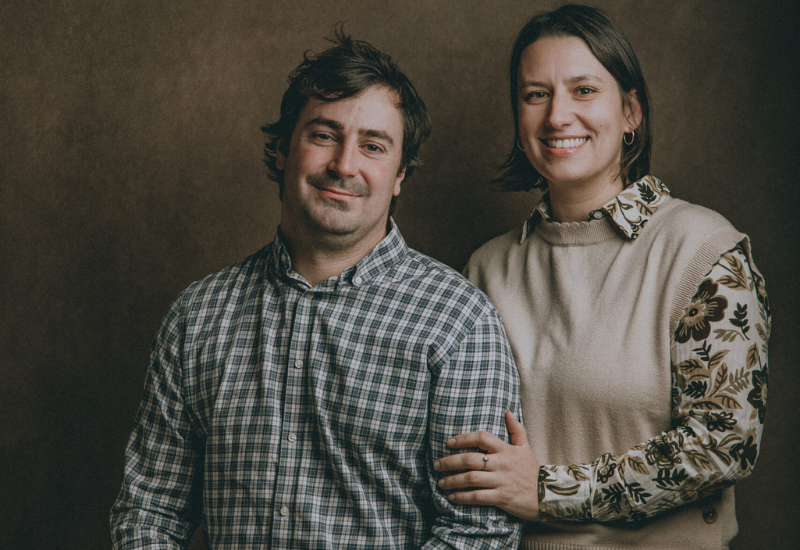
In the far south of Champagne, where the hills roll gently through the Côte des Bar, Thibault Tassin is quietly reshaping what the region can be.
He grew up surrounded by vines — generations of his family have been growing grapes in Celles-sur-Ource for decades — but instead of simply continuing the story, he decided to rewrite it.
When Thibault and his partner Alizée began working their own tiny parcel of land, they made a deliberate choice: to work differently. To slow down. To let the vineyard speak before the winemaker does.
Madame Flöck Wines
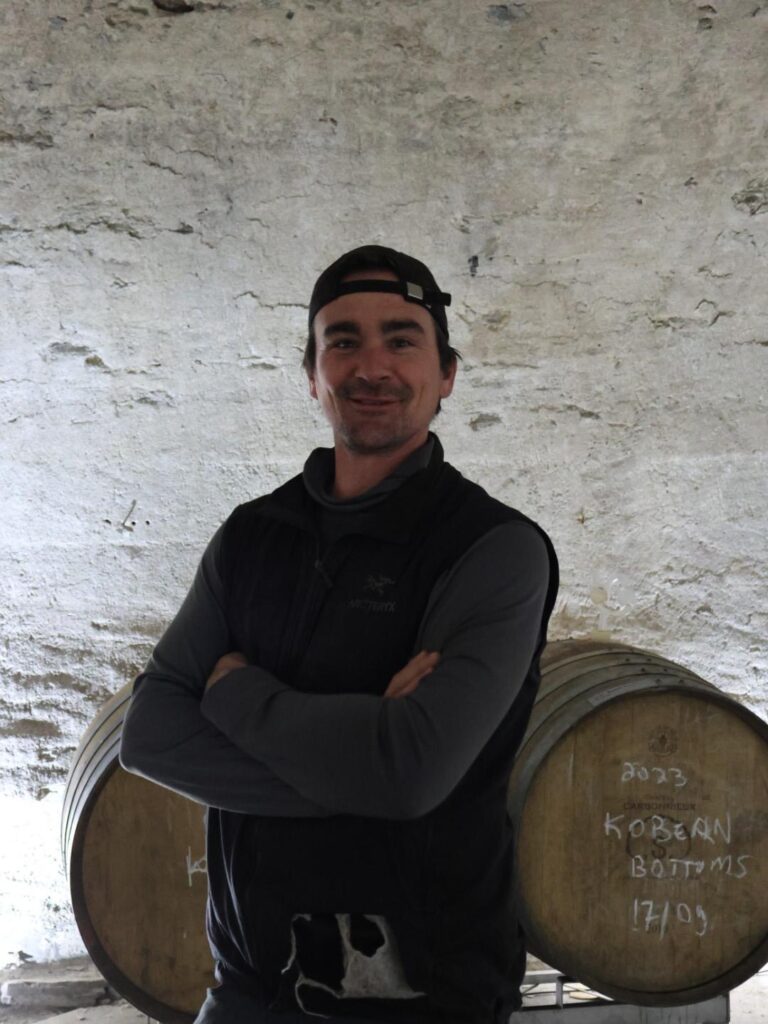
Madame Flöck Wines is one of those projects that immediately makes you pay attention. Based in Winningen on the Terrassenmosel, the winery began with the restoration of old, steep vineyard terraces that many others had long given up on. What started as a bold, slightly wild idea has grown into a seriously exciting Mosel project focused on old sites, intense handwork, and wines with real attitude.
What makes Madame Flöck so special is the mix of raw Mosel energy and an uncompromising natural approach. These are proper natural wines with edges and corners — not polished, not smoothed out, and definitely not made to please everyone. The vineyards are worked entirely by hand, without herbicides, on dramatic steep slopes where shortcuts are simply not an option.
Isabel Claire Zentgraf
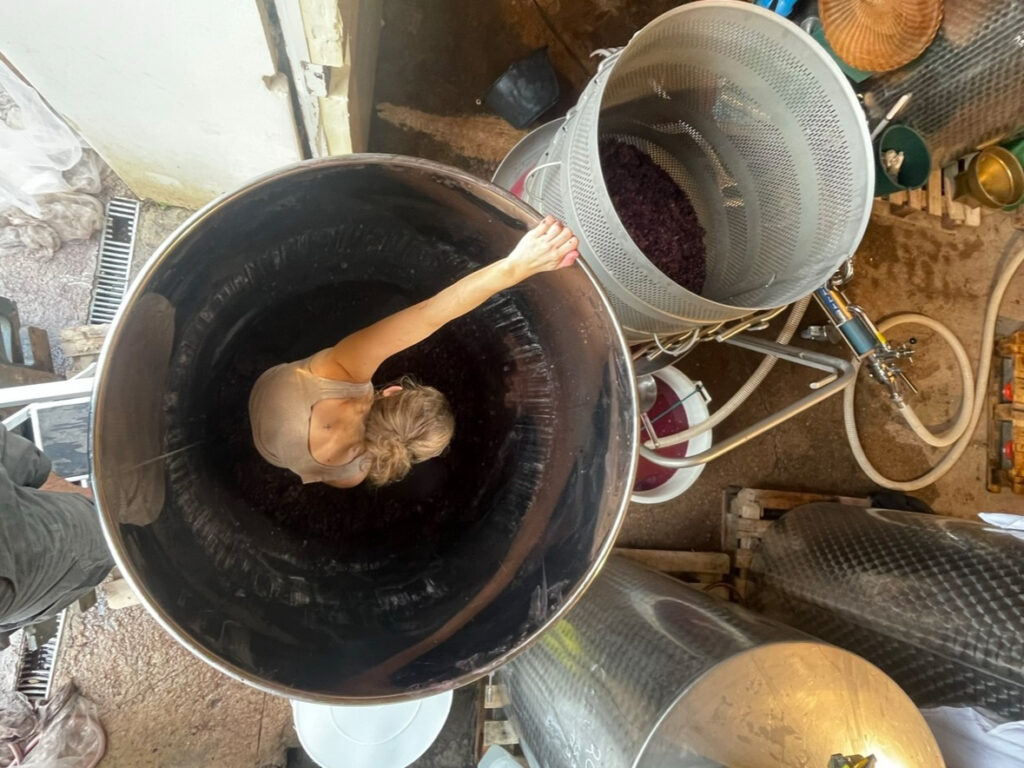
Ok that’s a tough one. First of all, Isabel is the one who keeps you occupied the whole time with her ridiculous idea of Drops and sharing wine like she’s some kind of wine Robin Hood — equal parts chaos, fairness, BUT pure enthusiasm.
But behind the fun is a very real craft story. Isabel sharpened her work at Maison Glandien and Les Jardins Vivants, learning wine the unglamorous way: in the vines, in the cellar, and under the pressure of harvest when every decision suddenly matters. Over the past three years, she’s been hands-on in Meursault, building a deep, practical understanding of Burgundy precision — from picking calls and pressing choices to élevage details and the patience it takes to let a wine become itself.
Romain Pertuzot
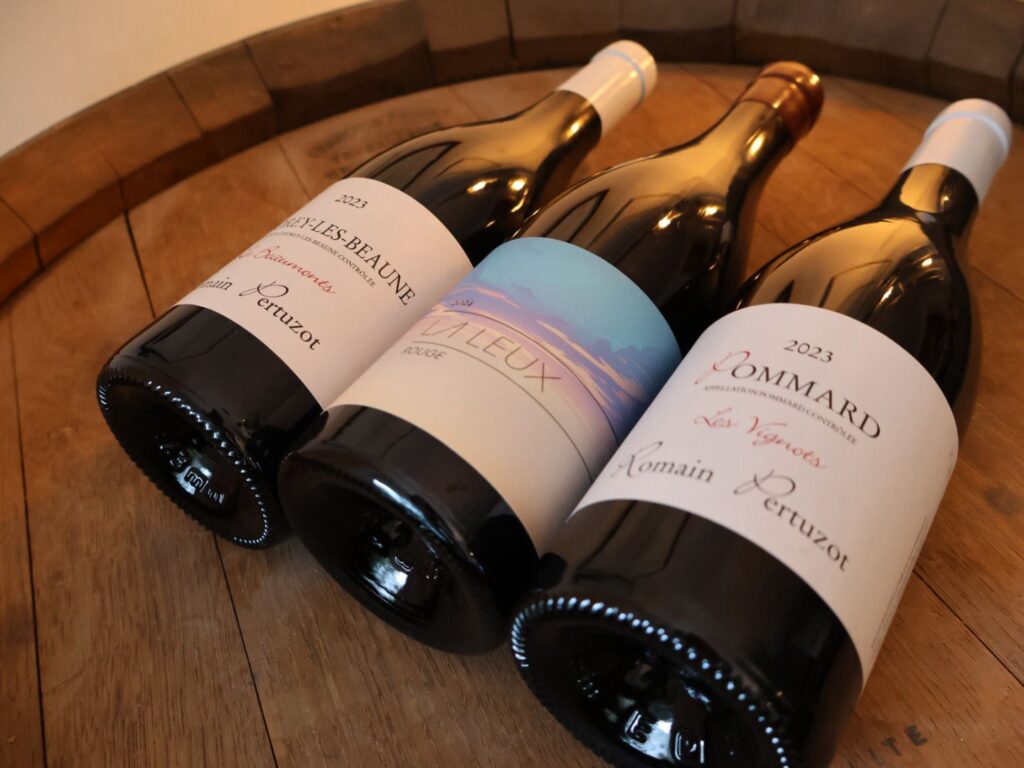
Romain comes from a long-established winegrowing family in Chorey-les-Beaune, rooted in the village for generations. His path started early: as a teenager, he learned to vinify alongside his father, who spent over 30 years as maître de chai at Louis Latour in Beaune.
From there, he continued to refine his craft with some of the region’s most respected names: Nicolas Rossignol in Volnay, Anne Gros in Vosne-Romanée, and seven years as chef de cave at Domaine Jacques Prieur. In September 2024, Romain officially launched his own domaine. Today he farms 3.2 hectares across Chorey-les-Beaune, Beaune and Pommard,
Jérémy Carteret
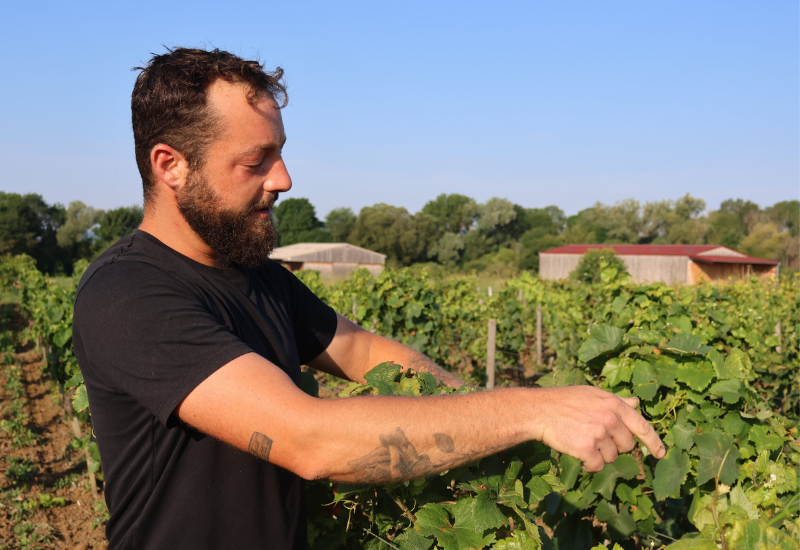
Jérémy Carteret, a passionate winemaker from Burgundy, expertly blends tradition and innovation. Inspired by his father’s long career at Domaine du Comte Armand and his own experience at Domaine Benjamin Leroux, Jérémy is dedicated to producing wines of exceptional quality.
In 2023, she took the leap and created her own wine with a fresh perspective: fruit-forward, vibrant, and instantly charming, but still anchored in tradition and uncompromising quality. The first vintage was an ultra-limited debut—just 400 bottles—a small, personal statement.
Bürklin Wolf
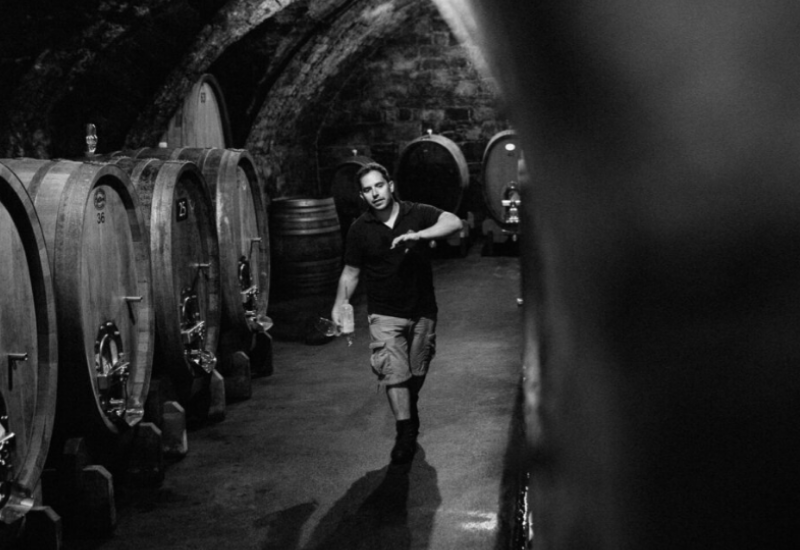
Weingut Bürklin-Wolf, located in the renowned wine region of Pfalz, stands as one of Germany’s most prestigious estates, celebrated for its commitment to producing world-class Riesling. Under the stewardship of Nicola Libelli, the winery continues its long tradition of excellence while embracing biodynamic farming practices to enhance the authenticity and purity of its wines. Bürklin-Wolf’s vineyards span some of the most sought-after terroirs in the region, including the famous top sites of Wachenheim, Forst, and Deidesheim.