
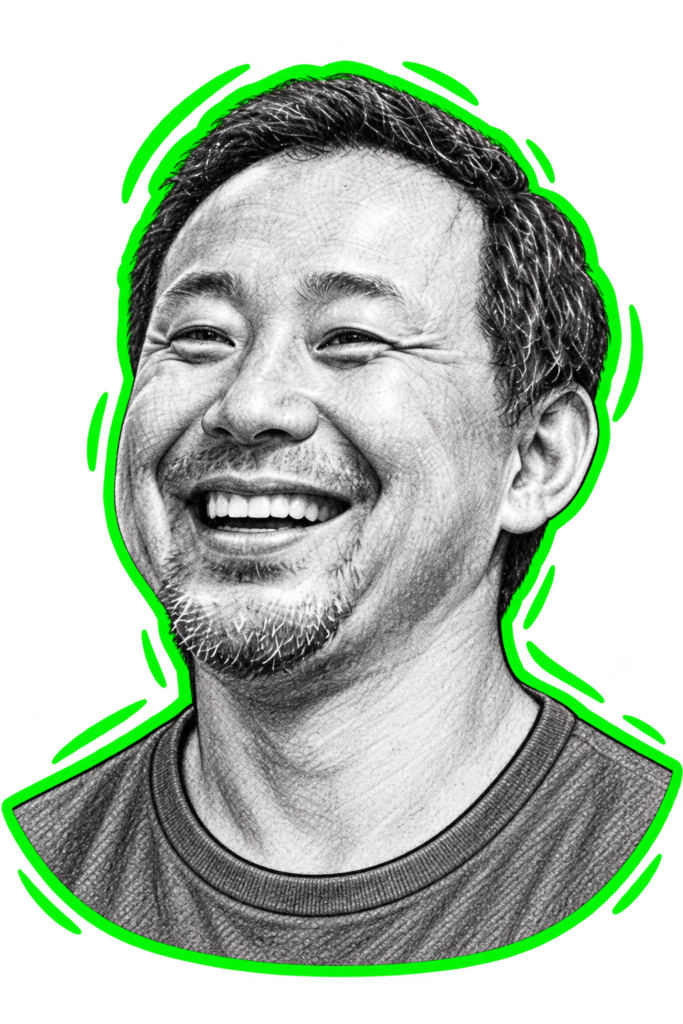
Petit Roy – Seiichi Saito
Lapo Berti is one of those winemakers whose story feels almost impossible to plan. Born in Forlì and raised in a small village in the Tuscan Apennines, he became fascinated by wine early on — not only by taste, but by its smells, rituals and endless differences. After leaving agricultural studies in Florence, he started working at Fattoria Selvapiana. From there, chasing harvests became a way of life.
For almost twenty years, Lapo moved between the northern and souther
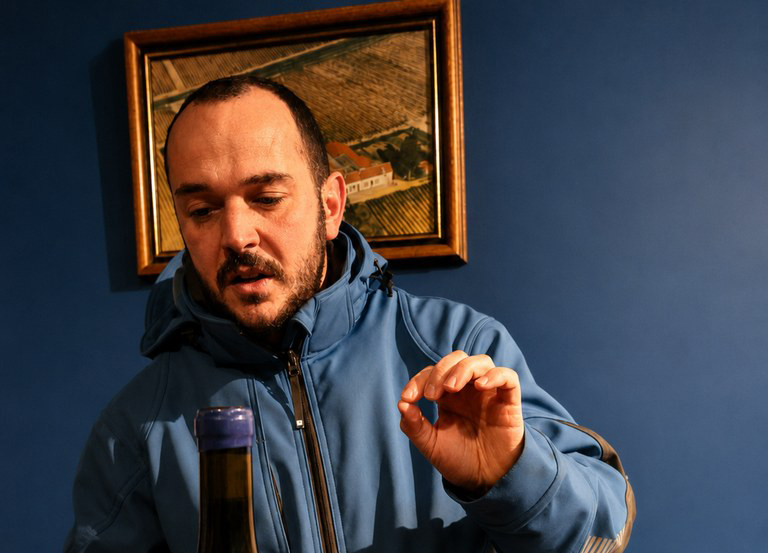
Nicolas Barbou
Lapo Berti is one of those winemakers whose story feels almost impossible to plan. Born in Forlì and raised in a small village in the Tuscan Apennines, he became fascinated by wine early on — not only by taste, but by its smells, rituals and endless differences. After leaving agricultural studies in Florence, he started working at Fattoria Selvapiana. From there, chasing harvests became a way of life.
For almost twenty years, Lapo moved between the northern and souther
Lapo Berti
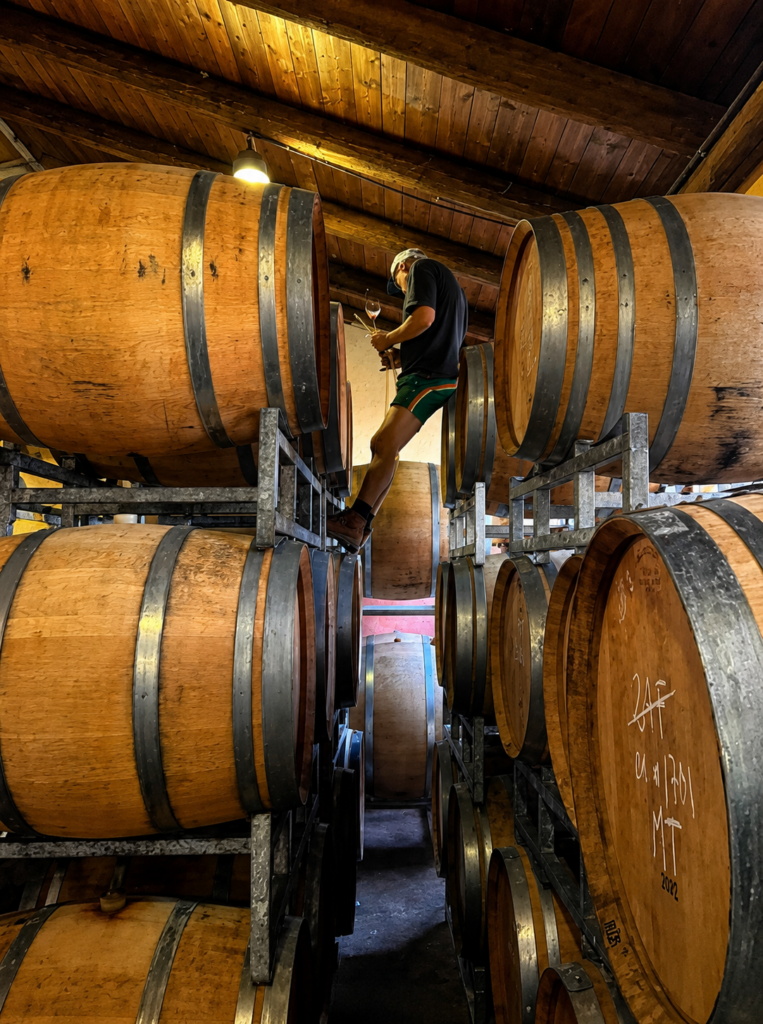
Lapo Berti is one of those winemakers whose story feels almost impossible to plan. Born in Forlì and raised in a small village in the Tuscan Apennines, he became fascinated by wine early on — not only by taste, but by its smells, rituals and endless differences. After leaving agricultural studies in Florence, he started working at Fattoria Selvapiana. From there, chasing harvests became a way of life.
For almost twenty years, Lapo moved between the northern and souther
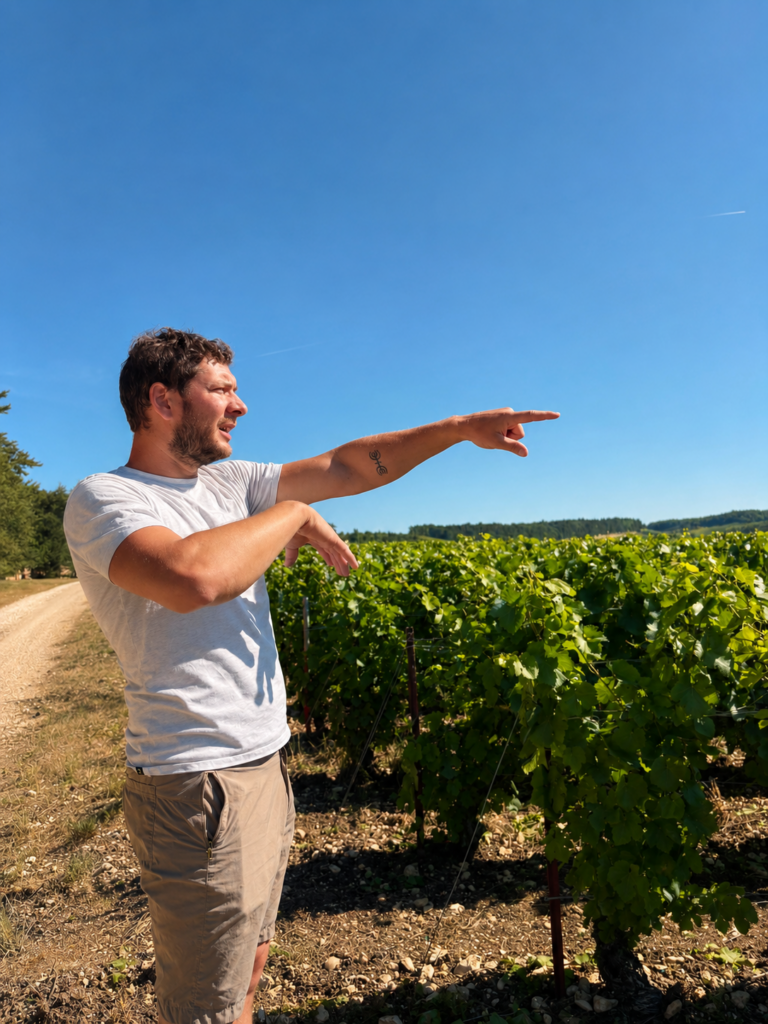
Champagne Doussot-Bourdot
Maison Aymon is one of those Burgundy projects that does not come from inheritance, noise or a ready-made domaine story. It comes from work. Nicolas Protin is based in Orches, in the Hautes-Côtes de Beaune, and before launching Maison Aymon, he spent years moving through Burgundy from the inside: harvest in Beaune, Comte Armand in Pommard, Australia, New Zealand, the Lycée Viticole de Beaune, Terre de Velle — and then, from 2017, his own path as a vineyard contractor.
Maison Aymon – Nicolas Protin
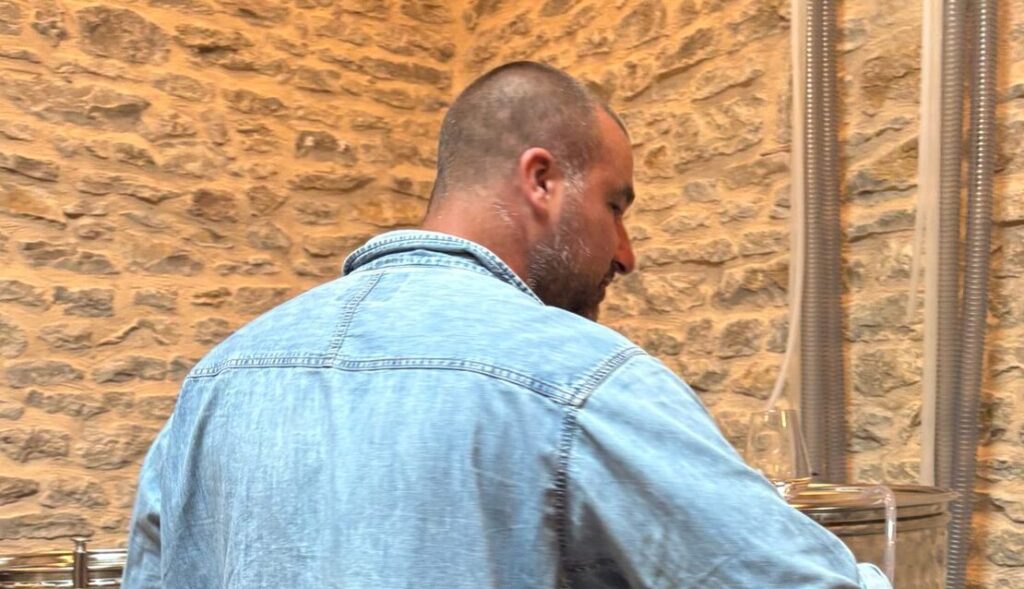
Maison Aymon is one of those Burgundy projects that does not come from inheritance, noise or a ready-made domaine story. It comes from work. Nicolas Protin is based in Orches, in the Hautes-Côtes de Beaune, and before launching Maison Aymon, he spent years moving through Burgundy from the inside: harvest in Beaune, Comte Armand in Pommard, Australia, New Zealand, the Lycée Viticole de Beaune, Terre de Velle — and then, from 2017, his own path as a vineyard contractor.
Bernhard Huber
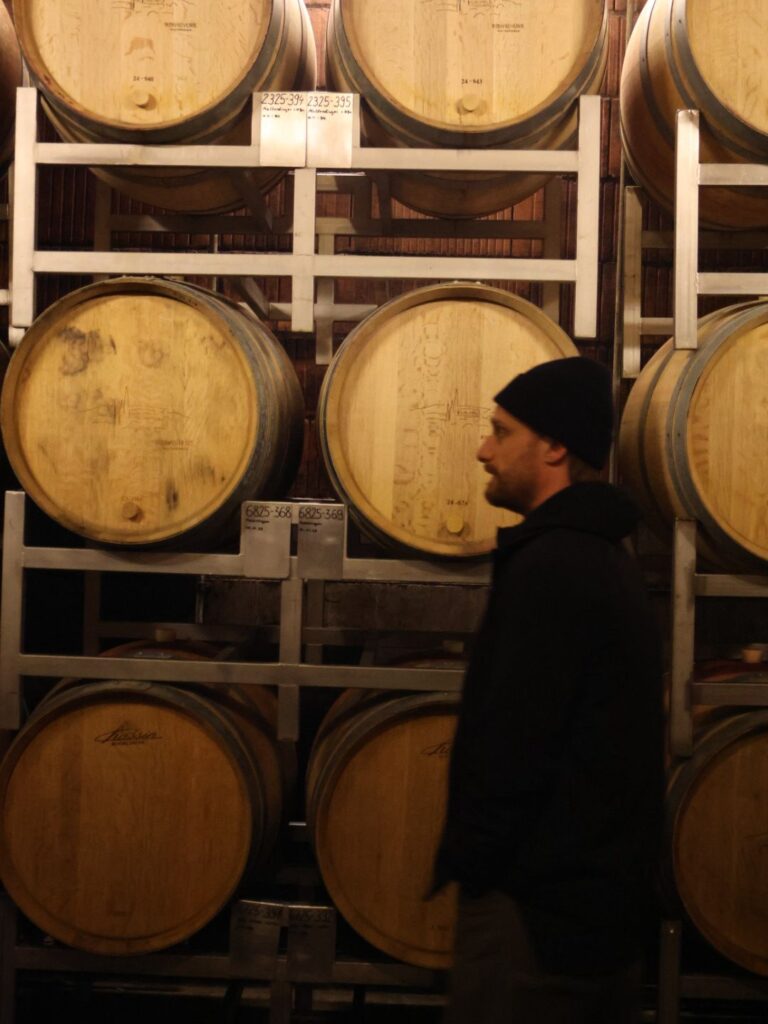
Based in Malterdingen, in Baden, the estate sits in a place with a long Pinot history: Cistercian monks brought the variety here more than 700 years ago, and the local term “Malterdinger” was once used almost synonymously with Pinot Noir.
Antoine Berthelot
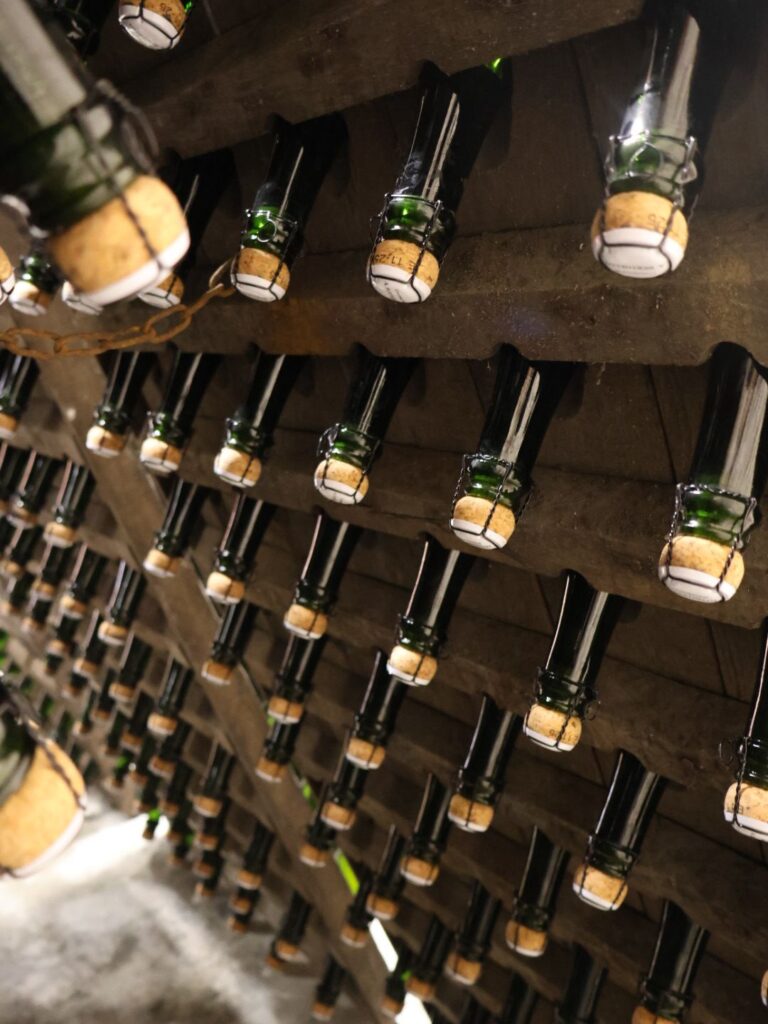
Antoine Berthelot is one of those young Côte des Bar names that immediately feels worth paying attention to.
Based in Verpillières-sur-Ource, in the Aube, his family has been growing Pinot Noir since the 1980s, but 2023 marked a real turning point: after decades of selling the grapes, Antoine began vinifying the fruit himself. With experience in Gevrey-Chambertin, Corsica, and Les Riceys, his approach is shaped by a clear idea — no compromise, neither in the vineyard nor in the cellar.
Domaine Jülg
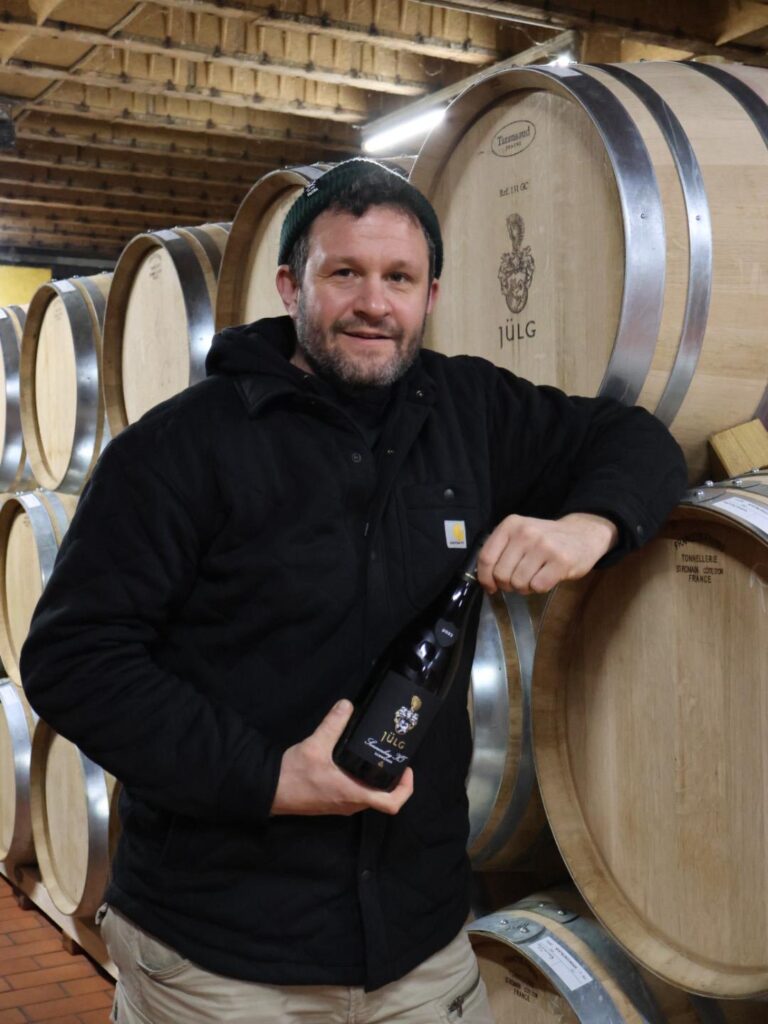
Jülg is one of those estates that shows just how far German Pinot has come. Based in Schweigen-Rechtenbach in the southern Pfalz, right on the border to France, the winery naturally carries a strong tension between German precision and a more Burgundian feel. You can sense that dual identity in the wines straight away. They feel clear, fine-boned and polished, but never in a cold or overly constructed way.
Louis Mathieu
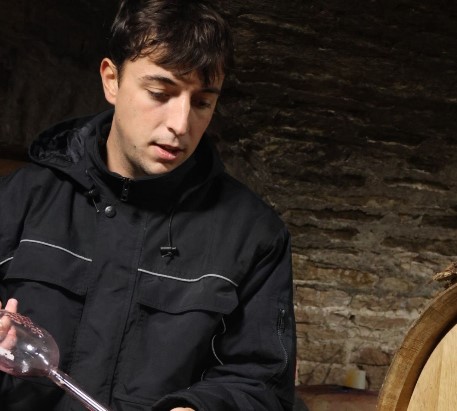
Louis Mathieu is not your classic Burgundy story. Born just outside Paris and not into a winemaking family, his path into wine began unusually early. He was already joining harvests as a child and made his first wines long before most people even knew his name. What started as a deeply personal side project slowly turned into something much bigger, shaped by curiosity, instinct, and a clear sense of direction.
Formative experiences with top estates in Burgundy and Germany helped refine that vision, but the signature is unmistakably his own. Louis is not chasing power or heaviness. He is after finesse, tension, and purity. His wines are built on freshness, gentle extraction, and a kind of quiet precision that speaks softly but leaves a lasting impression. There is elegance here, but never in a polished or artificial way — it feels honest, vivid, and full of energy.
Carsten Saalwächter
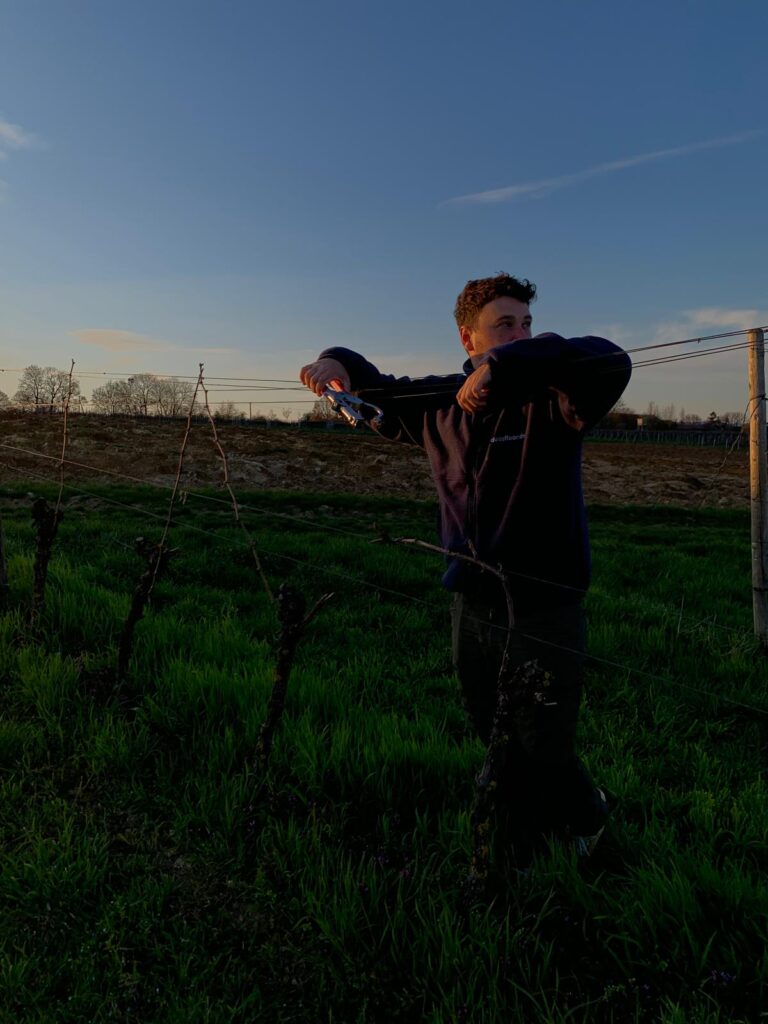
WINEMAKER Winery Carsten Saalwächter Established in 2018 in Ingelsheim, Rheinhessen Carsten Saalwächter stands for a calm, thoughtful approach to German wine, rooted in precision and restraint rather than expressionism. His work is shaped by a deep respect for vineyards and a clear belief that balance and longevity come from patience, not intervention. Farming is carried […]