
Winery Seckinger
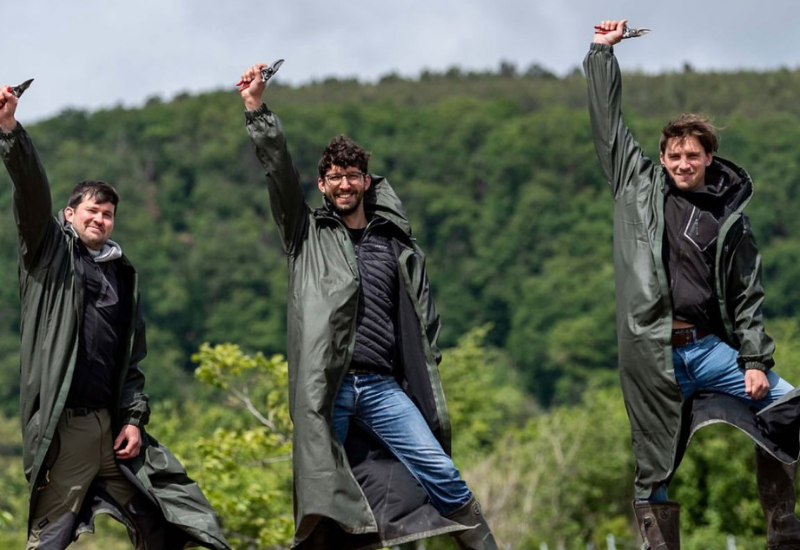
The Seckinger Winery, nestled in Niederkirchen in the Pfalz region, is led by the three brothers Jonas, Philipp, and Lukas Seckinger. Representing the new wave of German winemaking, these young talents are defined by their deep connection to nature and a minimalist approach. Their goal is to authentically capture the essence of their vineyards, using biodynamic methods and minimizing interventions in the winemaking process.
The Seckinger brothers cultivate vineyards across the Mittelhaardt and the southern Pfalz, working with diverse soils such as red sandstone, limestone marl, and loess. Their wines stand out for their precision, structure, and purity, often displaying a striking mineral backbone reminiscent of great Burgundian and Jura wines. Fermentations occur spontaneously, extractions are careful and measured, and the wines are bottled unfiltered with minimal sulfur, resulting in a raw yet refined drinking experience.
Domaine Jean Javillier & Fils
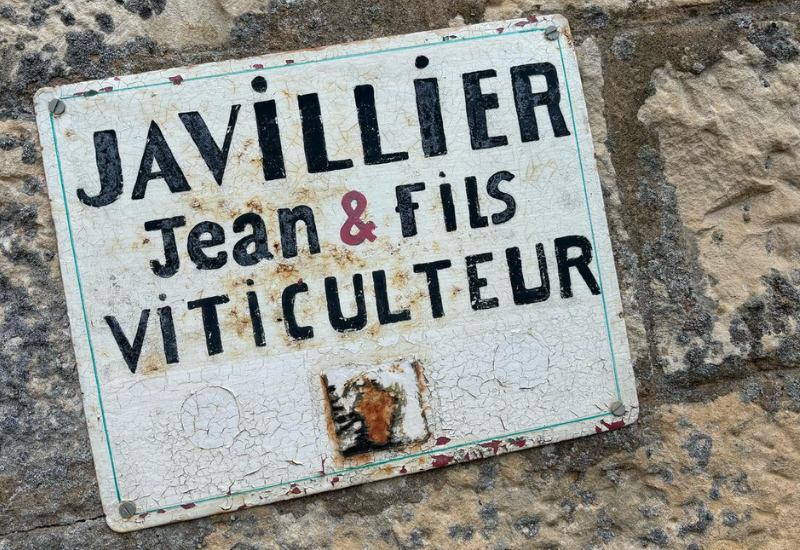
Every now and then, I come across a winery that makes me wonder how on earth it has managed to stay under the radar. Domaine Jean Javillier & Fils is exactly that—a hidden gem in Meursault that, despite its exceptional wines, remains largely unknown simply because it was barely distributed in France. Guess what?! So far only 5% of the bottles go to the french market.
This small, family-run estate sits right across from the legendary Coche-Dury.
Founded in 1933, it has been passed down through generations, now managed by Alain Javillier and his brother Thierry.
They craft their wines the way it was done 50 years ago—timeless and true to tradition. The Pinots are elegant and refined, free from excessive extraction and heavy oak. And Meursault? It’s the way it used to be—bold, generous, and full of character.
Drink wines not lables
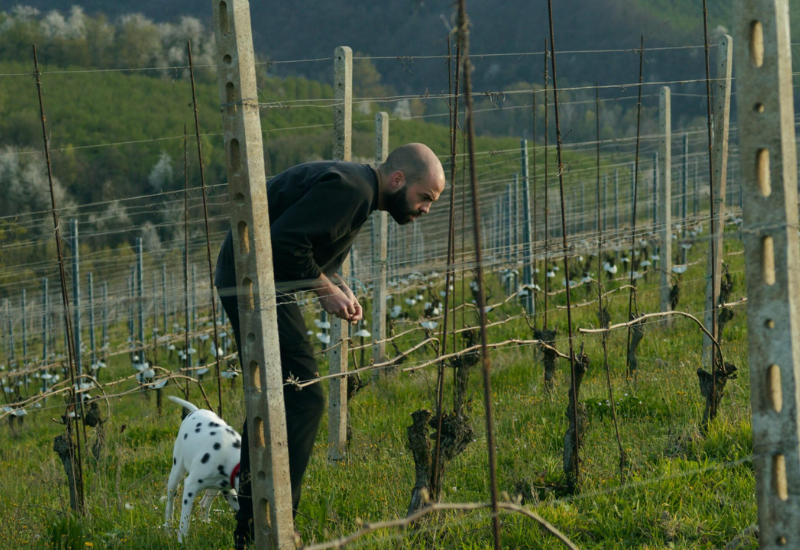
There’s something electric happening in the hills just beyond Barolo — and at the center of it is Alessandro Salvano, the mind behind DWNL – Drink Wines Not Labels.
Raised in a family of growers, Alessandro could have easily followed the traditional path. But instead, he chose rebellion over routine. In 2019, he launched DWNL as a declaration of independence — a movement for those who believe that authenticity matters more than appellations.
His vineyards sit just outside the official Barolo zone, on the same limestone-rich slopes and under the same sun — yet his wines will never carry that name. And that’s exactly the point. With DWNL, Alessandro challenges the system, asking: What defines greatness — the land itself, or the lines drawn around it?
Winery Rings
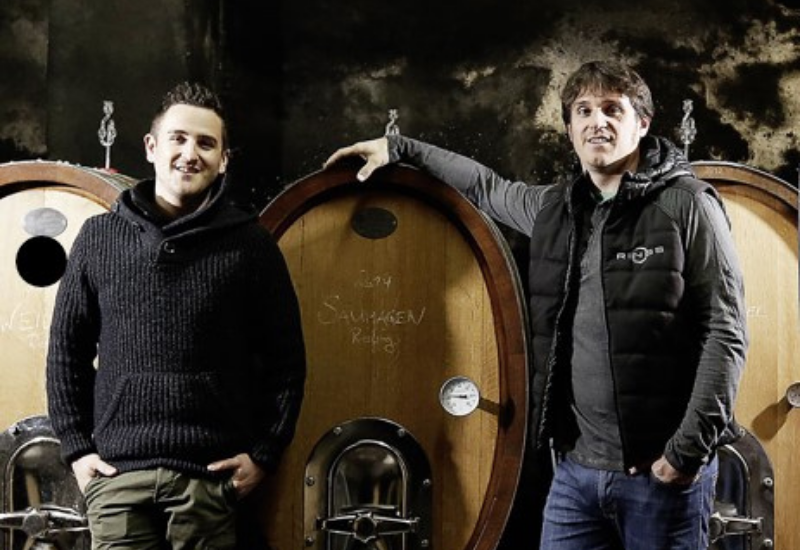
Weingut Rings is one of the driving forces behind the new generation of German wine — the kind of estate that helped redefine what “modern Germany” can taste like without losing its roots. Run by brothers Andreas and Steffen Rings in Freinsheim (Pfalz), Rings combines serious ambition with an almost stubborn focus on detail. Nothing here feels accidental. Everything is built, layer by layer, in the vineyard first — and you can taste that discipline in every bottle.
Their philosophy is grounded in organic farming, meticulous work by hand, and a deep obsession with letting their sites speak clearly. They’re not chasing power for the sake of power — they’re chasing definition: healthy soils, lower yields, perfectly timed picking, and the patience to let wines find their balance rather than forcing it. That’s why the wines feel so alive: you get purity and energy, but also structure and length — the kind of architecture that makes you want to open a second bottle and cellar the first.
Martin Schgraffer
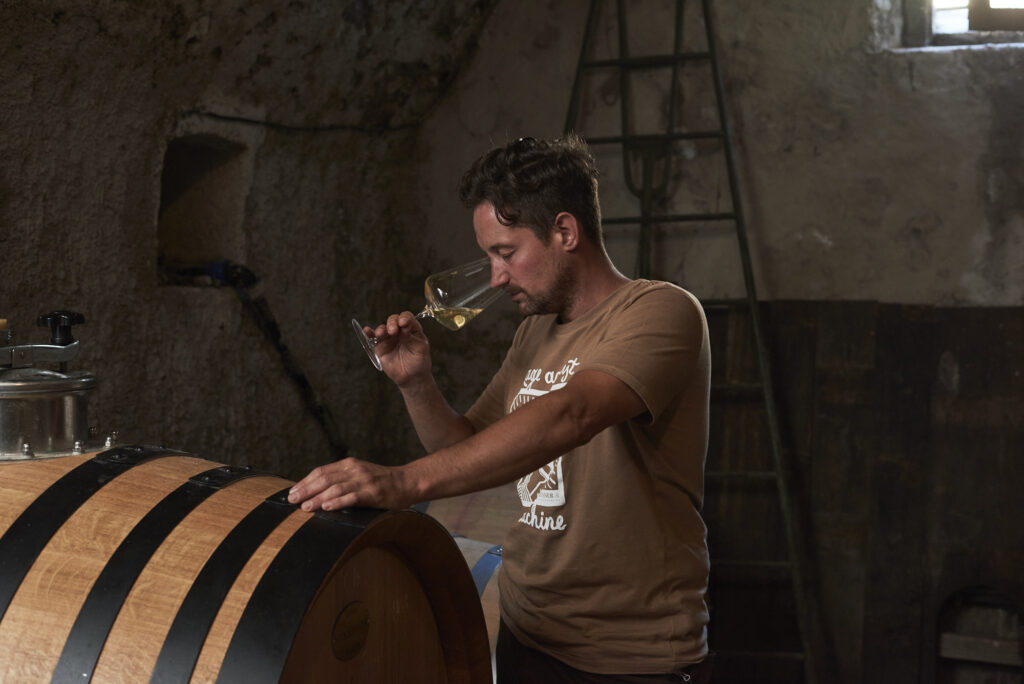
Martin is based back home in South Tyrol (near Bolzano) and his path is the opposite of shortcuts: he studied viticulture & oenology in San Michele and Geisenheim, then went out to learn in real cellars and real harvest pressure — Oregon, plus time on the Nahe with the famous german winery Dönnhoff. After that he spent six years at Ansitz Dolomytos, before returning fully to his own place. Since 2023, it’s been 100% his project, his vineyards, his decisions.
Domaine Lassak
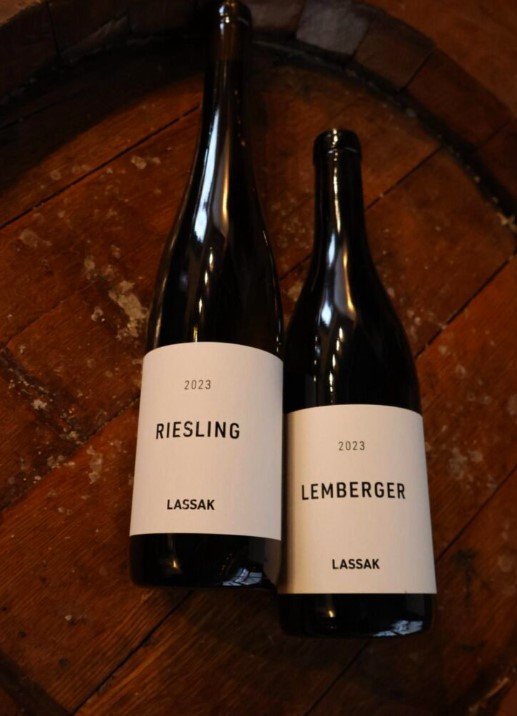
Domaine Lassak is one of those young German estates that feels less like a project and more like a statement. Based in Württemberg, Stefanie and Fabian Lassak work some of the region’s steep, terraced Muschelkalk slopes with a clarity of vision that immediately sets them apart. Steffi studied in Geisenheim and spent extended time working in Austria and Burgundy, where she sharpened her understanding of precision and finesse during formative time at Domaine du Comte Liger-Belair in Vosne-Romanée. While Fabi is a trained viticulture technician with a deep understanding of vineyard structure and balance. This shared foundation shapes their approach — thoughtful farming, clarity of intention, and wines built on tension rather than volume.
Lukas Hammelmann
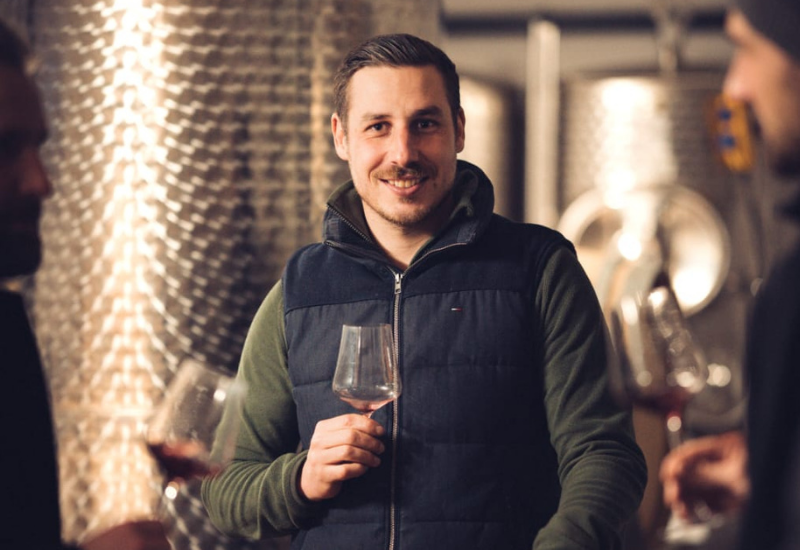
In the quiet, open fields of Zeiskam in the southern Pfalz, Lukas Hammelmann is showing how much character can rise from a landscape long dismissed as too flat, too easy, too ordinary. This isn’t postcard wine country — and that’s exactly what makes his work so compelling. He’s not trying to borrow prestige. He’s building his own.
Rather than leaving for the “famous” slopes, he chose to trust the soils beneath his feet — loess for finesse, limestone for tension, sandstone for momentum, and old terraces that carry depth and memory. His parcels are small and intentional, organically farmed, and worked with the belief that honesty isn’t a marketing line — it’s something you earn, season after season, in the vineyard.
Winery Andres
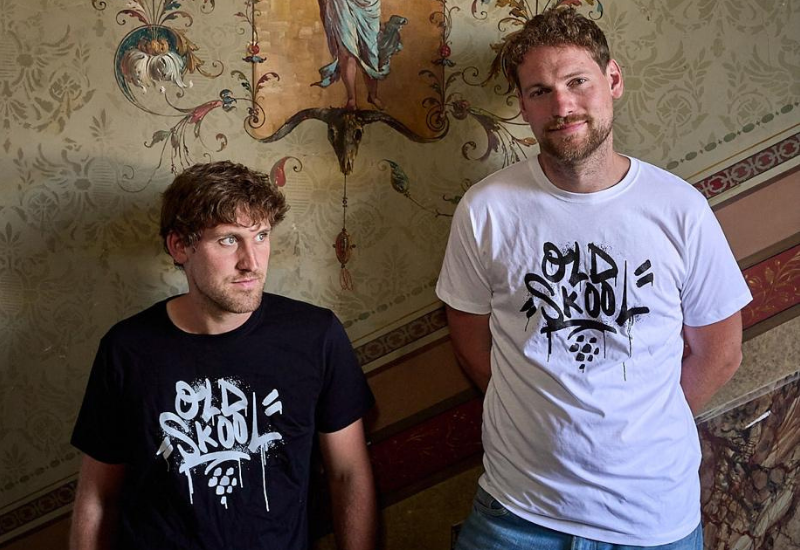
In the northern Pfalz, where the vineyards of Deidesheim catch the day’s first and last light, Weingut Andres has quietly forged its own direction. When brothers Thomas and Michael Andres took over the family estate in 2015, their goal wasn’t noise but clarity — a clearer purpose, a clearer sense of origin, and wines that speak in full sentences rather than headlines.
Their vines sit on a layered mix of weathered sandstone, limestone, and marl, soils that naturally lend both brightness and calm. The work in the vineyard is organic, deliberate, and unhurried — the kind of approach where precision is earned through repetition, not through ego. Long before anything reaches the cellar, the decisions are already made among the rows: what to keep, what to sacrifice, how to hold freshness without chasing it.
Winery Kissinger–Bähr
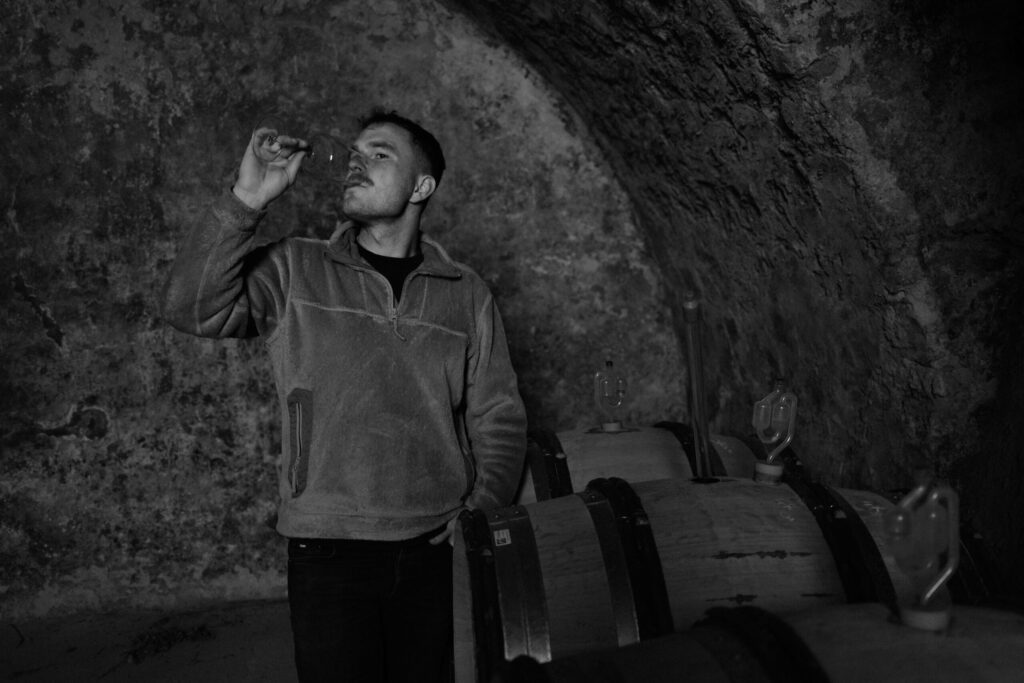
WINEMAKER Winery Kissinger–Bähr Established in 2016 in Uelversheim, Rhenish Hesse In Uelversheim, Rheinhessen, Moritz Kissinger has quietly become one of the clearest references for what the new German Chardonnay era can look like: less about volume, more about precision. His mindset is rooted in biodynamic farming and a low-intervention cellar approach, with a relentless focus […]